

Release date:2017/7/24 上午 11:26:06
Update date:2026/9/16 下午 03:49:14
Distinction and Operational Scope of Security Protection System
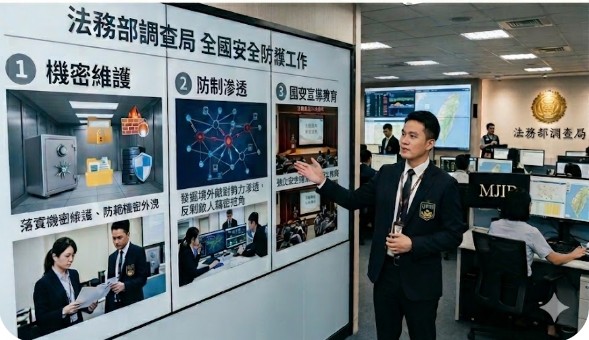
Work Systems
Security protection operations consist of three major systems: institutional security, military security and public security:
(1) Institutional security: Implemented by the Investigation Bureau under the supervision of the Ministry of Justice in government agencies and public institutions at all levels.
(2) Military security: Implemented by the General Political Warfare Bureau under the supervision of the Ministry of National Defense in military agencies, defense forces, schools, bases and logistics support units at all levels.
(3) Public security: Implemented by the National Police Agency and the National Immigration Agency under the supervision of the Ministry of the Interior. These agencies coordinate, plan, implement and supervise the work of their subordinate agencies at all levels. Public security includes general public security work and immigration security work.
Scope of Operation
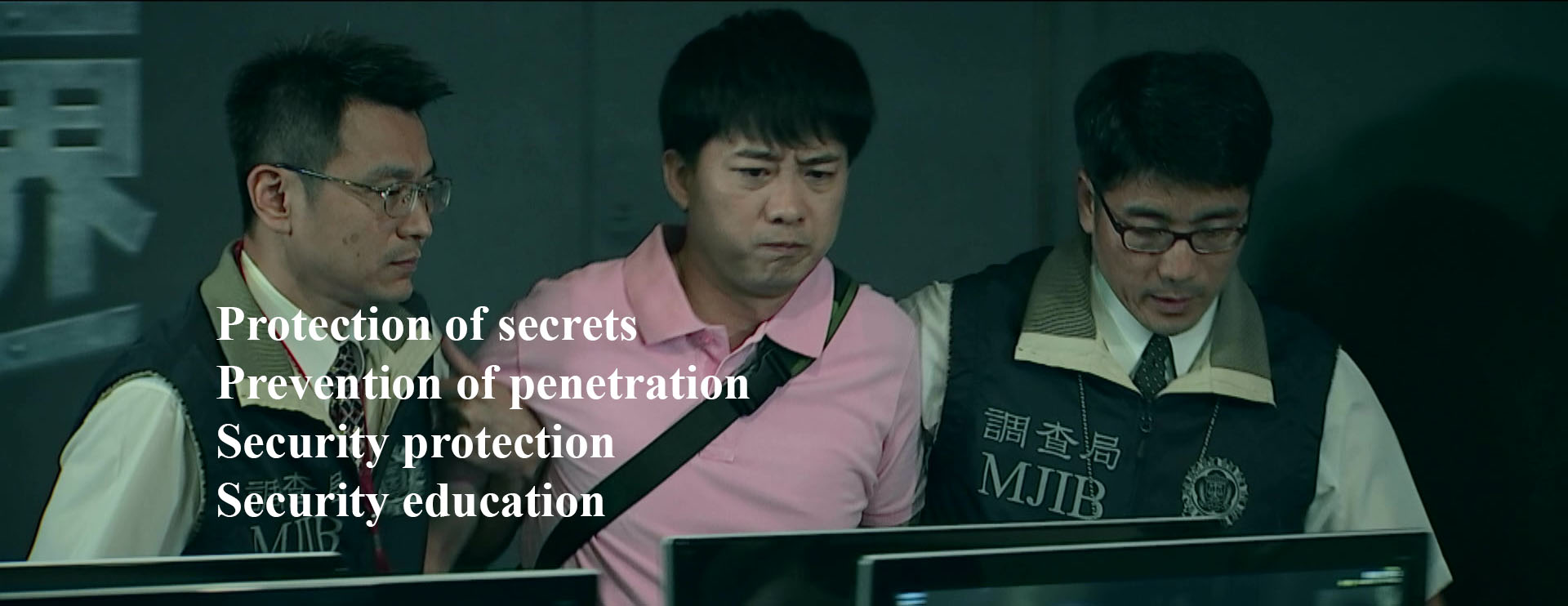
Security protection work covers four areas: protection of secrets, prevention of infiltration, security protection and security education:
(1) Protection of secrets: This includes protecting classified national security information, classified military information, national defense secrets, general public service secrets and industry secrets, and preventing hostile or unlawful parties from obtaining or possessing information that should remain confidential by unlawful means or methods.
(2) Prevention of infiltration: This involves preventing enemy-directed moles or spies from using unlawful means to engage in all illegal activities, including destroying state organizations, stealing state secrets, altering the Constitution, subverting the government or harming national security, institutional stability, social peace and public order.
(3) Security protection: This involves maintaining the security of personnel, materials, equipment and facilities at government agencies, national defense and military units, public enterprises and institutions, and factories and mines at all levels to prevent hazards and damage.
(4) Security education: This uses education and outreach on policies and regulations, democratic practice and the rule of law, protection of secrets, prevention of infiltration and security protection to ensure national security, maintain state interests, strengthen social stability and order, and safeguard public well-being.
Civil Service Employment Security Checks
Special Security Checks for Civil Service Personnel Involved in National Security or Major Interests
In accordance with the Civil Service Employment Act and the Special Verification Procedures for Civil Servants Involved in National Security or Major Interests, these checks apply to personnel whose work involves national defense, foreign affairs, technology, intelligence, finance, Taiwan affairs and critical infrastructure. positions subject to verification are announced by the Examination Yuan in the form of a list, which excludes elected officials, political appointees and military personnel. Any Additions or deletions must be approved and announced after the relevant competent authorities report them to the Presidential Office, the National Security Council or the competent administrative authority, in conjunction with the Examination Yuan.
General Background Checks
Under Article 4 of the Civil Service Employment Act, when appointing civil servants, all government agencies must consider candidates' character and loyalty to the country and conduct pre-employment background checks. relevant agencies may be asked to assist when necessary.
Items checked include dual citizenship, major criminal records and ties with mainland China. The review, verification and assessment must be thorough, and the overall conclusions must be fair and objective. The investigation process must be kept strictly confidential.
Key Aspects of Security Protection Work
Protection of Classified Information
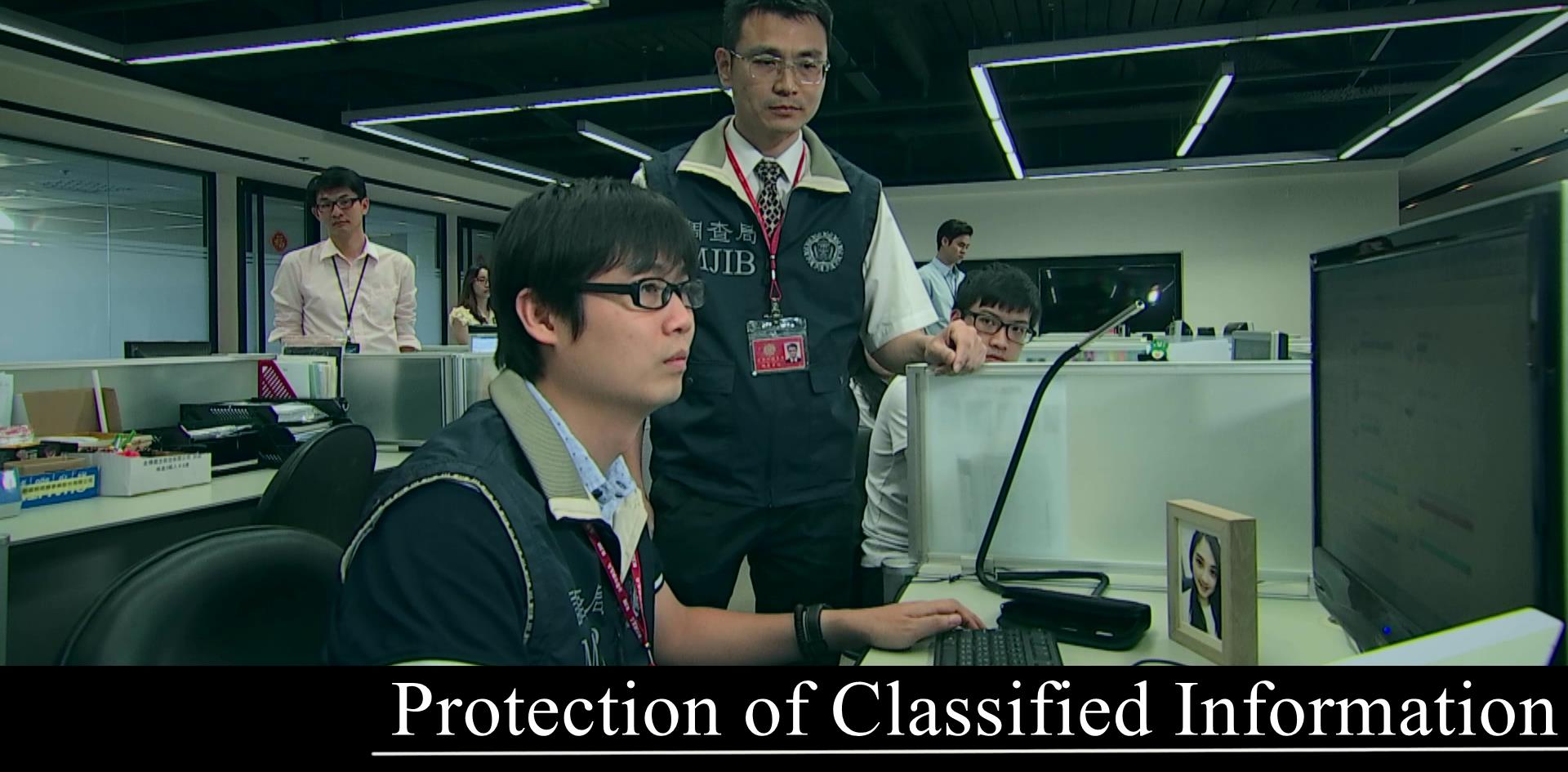
Protection of classified information is the statutory responsibility of the Bureau
The protection of classified information is integral to national security. In the event of leaks, national security would be at risk, hence the great importance of classified national security information protection. All citizens are duty bound in the protection of state secrets, even more so for public servants. "State secrets" include: Secrets of the State, national defense, those other than involving national defense, military secrets and "classified items" designated by government authorities in exercise of their powers, and matters which are expressly designated as classified information.
Prevention of penetration by enemy spies
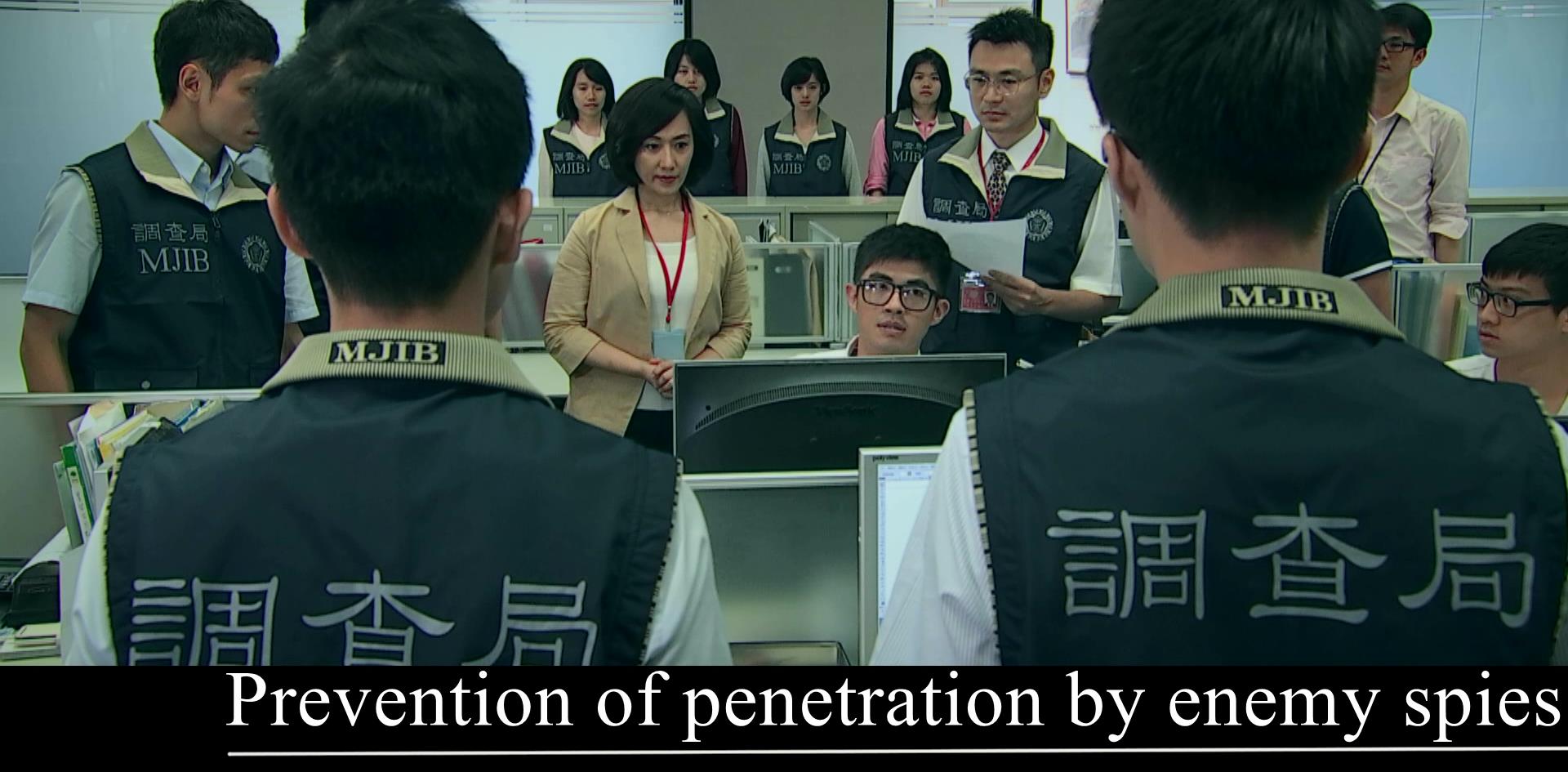
The Bureau's core task is "to maintain national security". In conjunction with its other professional work, the Bureau's overall function is to protect national interests and ensure resident wellbeing. Prevention of penetration by enemy spies is the foundation for ensuring national security and social stability. As exhibited through information collected and cases solved in recent years, it is certain that enemy spies have been actively penetrating Taiwan through various lawful and unlawful means in order to conduct illegal activities such as development and organization of crime, intelligence collection, theft of secrets, devastation of economic order and disruption of social order etc. To protect national security and maintain resident wellbeing, the Bureau has for the sake of better protecting national security, aside from a full competency in the grasp of local and foreign political and economic developments, formulated relevant plans to strengthen its internal work deployment and proactively investigate leads on illegal activities by enemy spies to effectively enforce counter-measures. Our responsibilities depend upon the full cooperation of all our citizens so as to ensure the security, democracy and prosperity of our nation.
Institutional Security
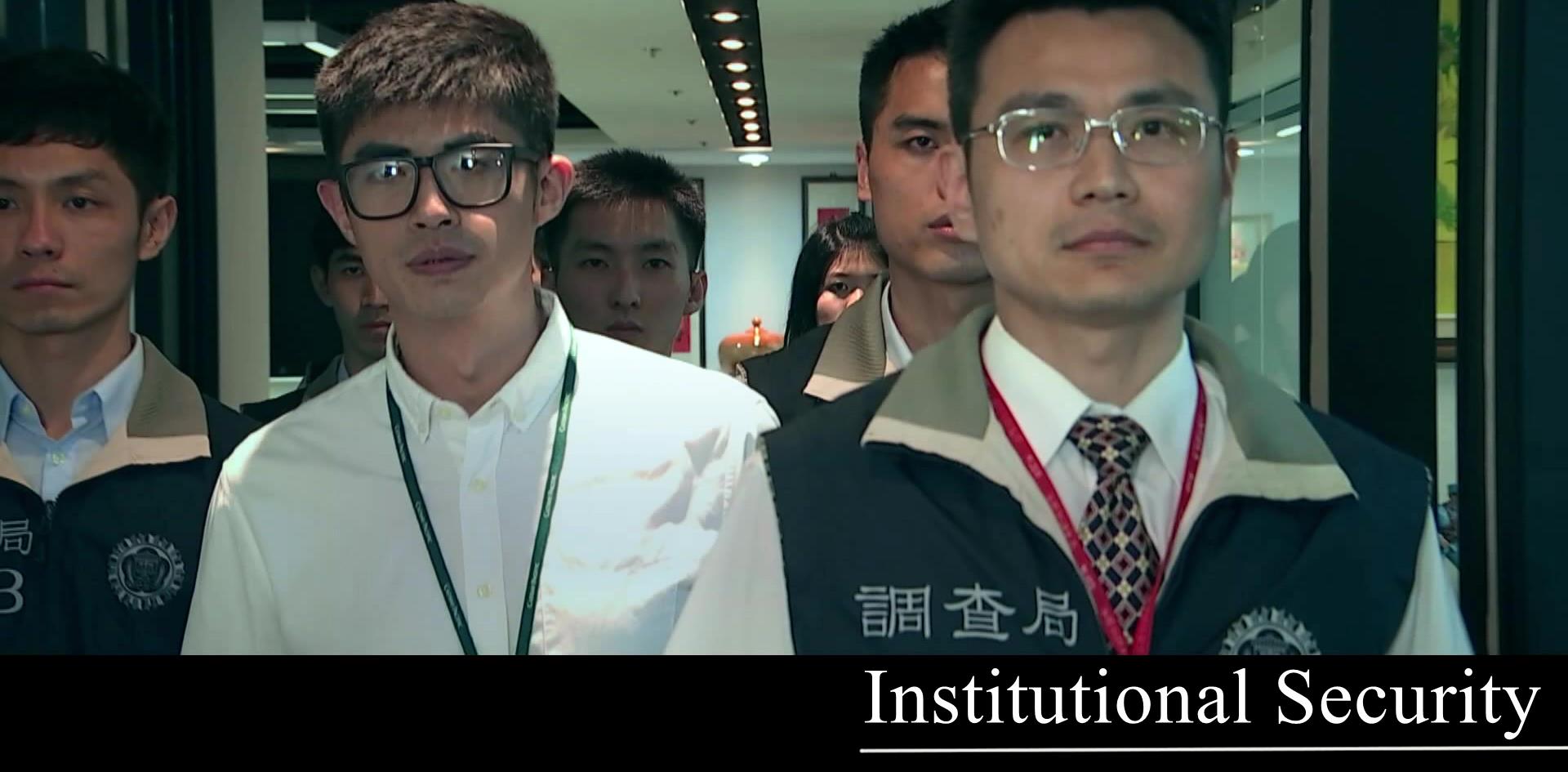
Implementation of special audits
The prerequisite requirements for public servants are loyalty to the state, integrity in moral character and maintenance of basic national interest. All advanced democracies throughout the world have formulated public servant security audit regulations. Special audits conducted by the Investigation Bureau are carried out in accordance with the "Civil Service Employment Act" and the "Regulations on Special Audit for Public Servants Involving National Security or Major Interest". The subject matter of such special audits include national defense, foreign affairs, science and technology, intelligence, finance and economy and Mainland China affairs, and are conducted on public servants whose work involve national security or major state interest.

Get our publication!