

Release date:2019/5/27 下午 02:09:46
Update date:2026/6/3 下午 03:46:18
MJIB training Academy Introduction
Venue Introduction

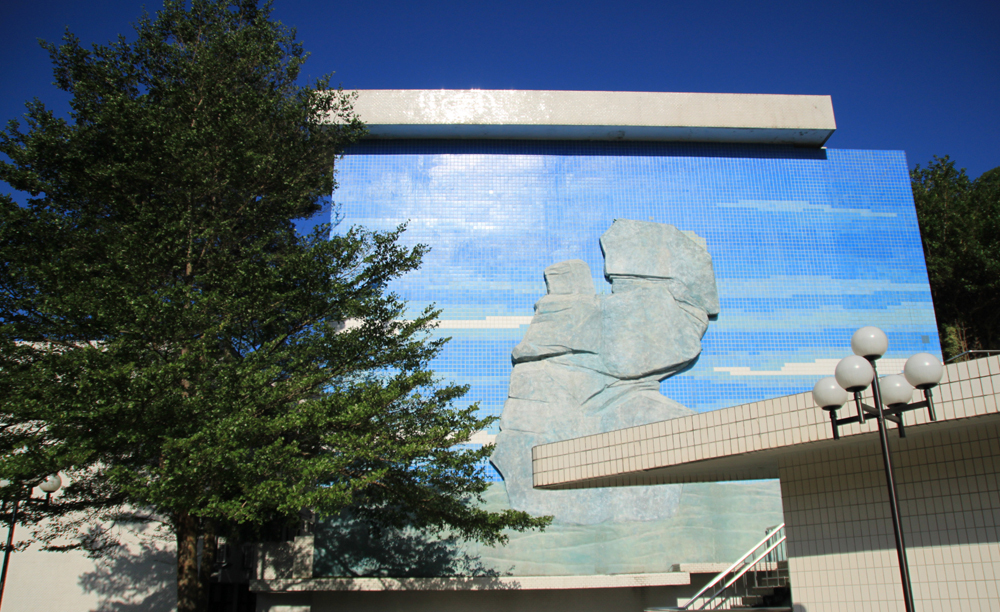


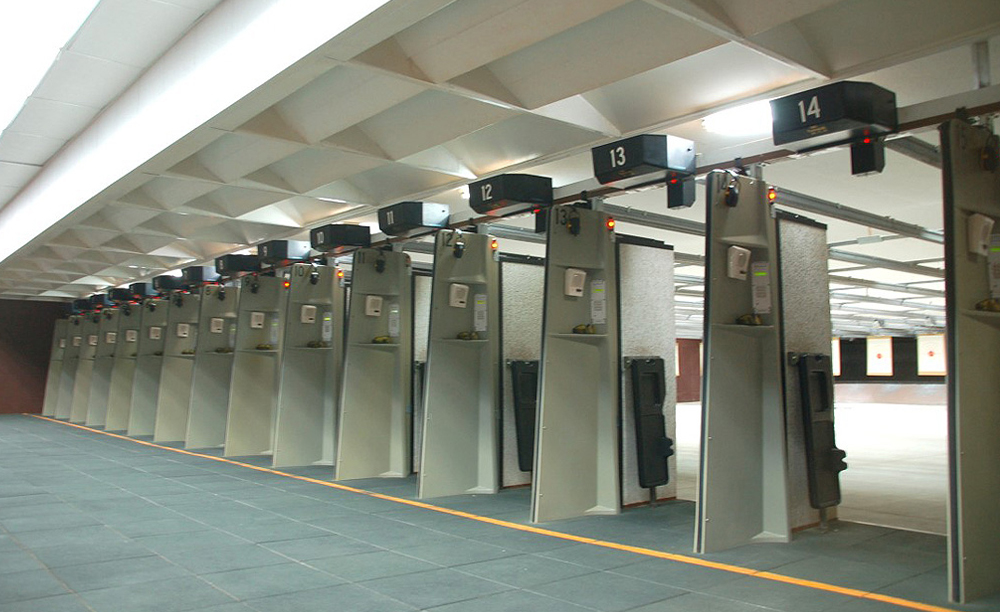

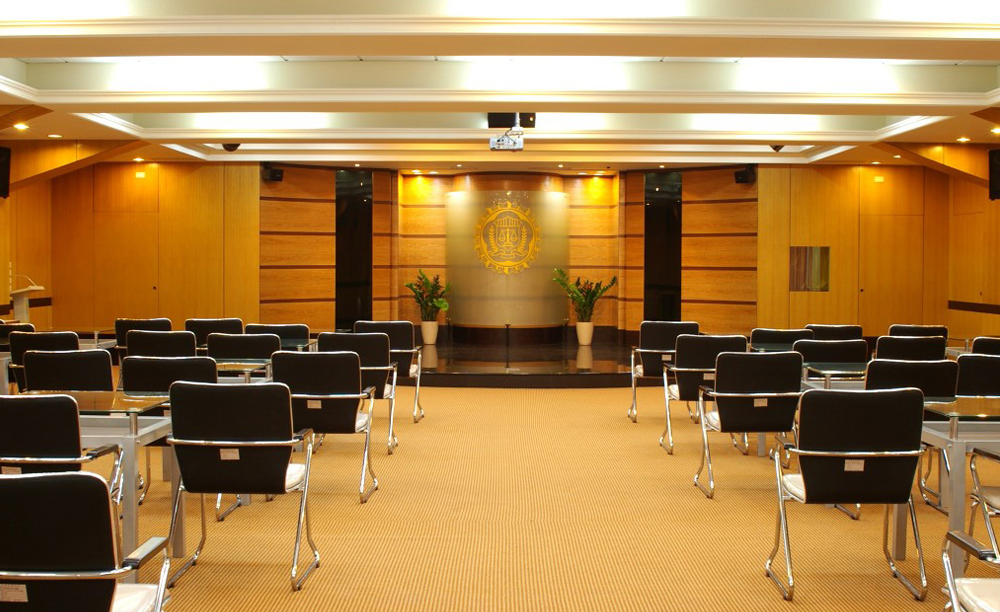
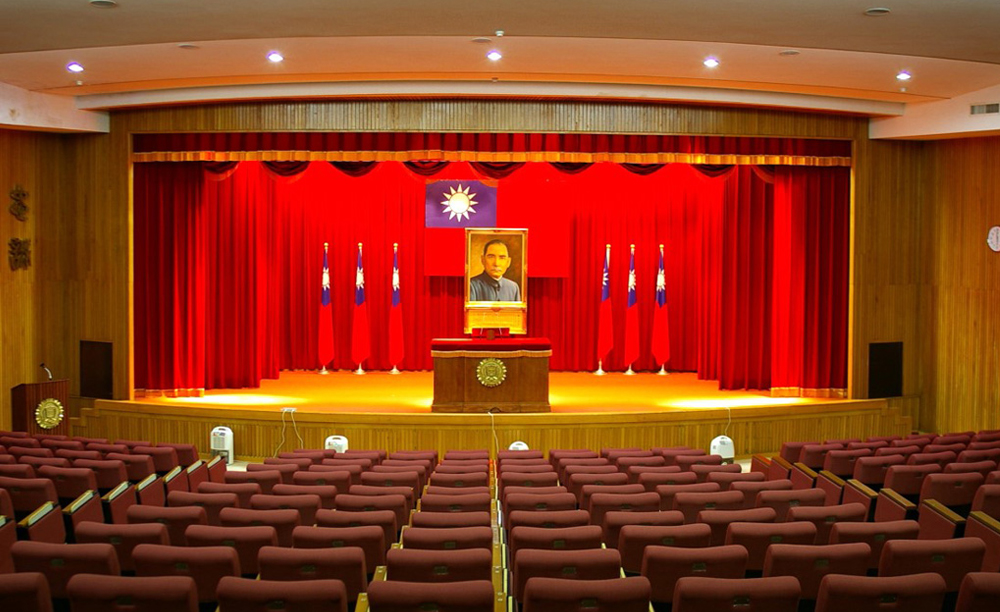


The Investigative Agents' March
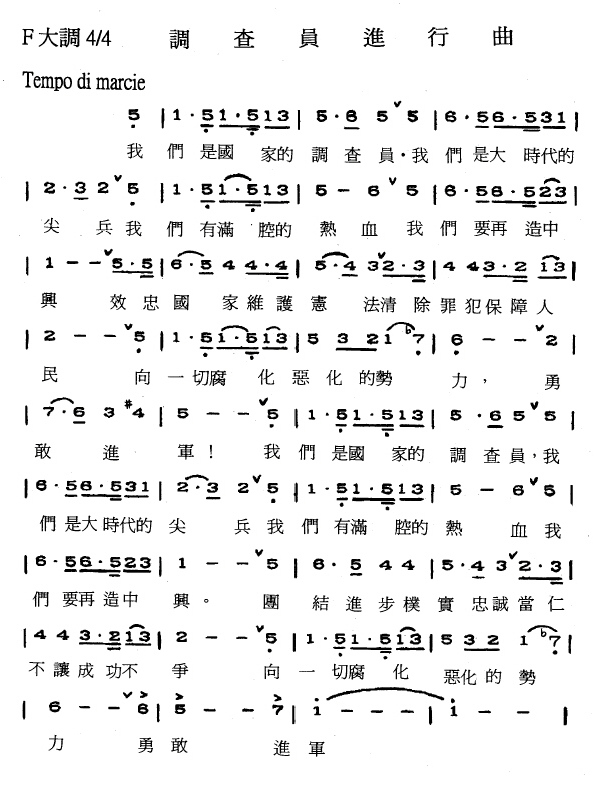
The Investigative Agents' March Lyrics
Lyrics to the Investigative Agents' March:
We are the investigative agents of the nation.
We are the best soldiers of the era.
We are filled with the passion and desire for another glorious victory.
We are loyal to the nation and we protect the Constitution.
We arrest criminals and protect the people.
We march against all forms of corruption!
We are the investigative agents of the nation.
We are the best soldiers of the era.
We are filled with the passion and desire for another glorious victory.
We work hard together to improve.
We are humble, loyal, brave in the face of danger, and modest in our success.
We march against all forms of corruption!
Q&A
Where can I find the list of items for the physical examination?
The list of items and standards for the physical examination are announced in the registration brochure and on the websites of the Ministry of Examination and the Bureau. As the examination contains a medical component, you can ask a doctor in a public hospital about physical examination standards.
Where can I find information on required military service criteria?
Those who have not yet served in the military may still apply to undergo the Investigation Personnel Special Examination. Those serving as volunteer soldiers must be discharged and have their certificate issued by the competent authority within four months from the day after the written examination is completed to be eligible to apply. Successful candidates who are active-duty military personnel may not report for training by taking leave from their original service unit on the grounds of impending discharge.
Do recruited personnel of different categories or of different genders have different work descriptions?
The examination and training do not distinguish between different groups or genders. All personnel must undergo one year of the same comprehensive training at the Bureau's Cadet Training Office. All personnel qualified after undergoing training shall be dispatched to field units of the Bureau (including mountainous areas, offshore islands, and other remote areas) to engage in counter-espionage and anti-corruption work, and the prevention of significant economic offenses, money laundering offenses, and drug enforcement. They must be in good physical shape and be able to withstand rigorous training to serve in field investigation work.
How long after passing the examination is the training?
The Cadet Training Office is appointed by the Civil Service Protection and Training Commission and provides one-year (Level 3 examinations) or six-month (Level 4 examinations) professional training programs for new investigative agents. Personnel who passed the examination are required to undergo training at the Cadet Training Office of the Bureau in January the following year.
What are the key points and education methods used during training?
The goal of training is to produce investigative agents for the nation who are intelligent and have strong ethics, who uphold the rule of law, and are capable in both office and field work. The courses are divided into four categories:
- Fundamental course: Basic concepts, ethics, service attitude, and the administrative procedures and skills required for new public servants.
- Professional course: Trainees are required to study the laws and regulations related to the operations and judicial investigations of the Bureau, and become familiar with the repertoire of skills required for conducting criminal investigations.
- Physical education: Physical training, including swimming, running, and mountain climbing.
- Supplementary Course: Recreational activities, arts and cultural appreciation, and field visits.
What allowances are provided during the training and what is the base salary after becoming an official investigative agent?
Cadets receive approximately NTD 50,000 in allowances during their training and a monthly salary of approximately NTD 88,000 after becoming an official investigative agent upon completion of their training.